Every winter, New Jersey fire departments respond to hundreds of heating-related emergencies. Carbon monoxide poisoning sends families to hospitals. Furnace malfunctions cause house fires. And space heaters become deadly hazards in homes where the primary heating system isn’t properly maintained.
These aren’t just statistics. They’re preventable tragedies that happen to real families in communities just like Woodland Park, Bergen County, and Morris County.
The harsh reality is that your heating system works harder during New Jersey winters than almost any other appliance in your home. And when HVAC systems aren’t properly maintained or safely operated, they can transform from your family’s comfort solution into a serious safety hazard.
But here’s the good news: most winter heating dangers are completely avoidable. With the right knowledge and a few proactive steps, you can keep your family warm and safe all season long.
The Hidden Danger Lurking in Your Home
Carbon monoxide is called “the silent killer” for good reason. You can’t see it, smell it, or taste it. But this toxic gas, produced when fuel-burning appliances don’t operate properly, kills more than 400 Americans every year and sends another 20,000 to emergency rooms.
Your furnace, boiler, or any fuel-burning heating system can produce carbon monoxide if it develops cracks in the heat exchanger, experiences incomplete combustion, or if venting becomes blocked. Older systems are particularly vulnerable, but even newer equipment can develop problems without proper maintenance.
Every New Jersey home needs working carbon monoxide detectors on every level, especially near sleeping areas. But detectors are your last line of defense, not your only protection. The best strategy is preventing carbon monoxide production in the first place through proper system maintenance and operation.
Watch for warning signs that your heating system might be producing dangerous levels of carbon monoxide. Symptoms in your family members might include headaches, dizziness, nausea, or confusion that improves when you leave the house. Physical signs in your home include yellow or orange flames instead of blue, soot buildup around your furnace or boiler, excessive moisture on windows, or a stuffy, stale smell when your system runs.
If your carbon monoxide detector sounds or you suspect a problem, get everyone outside immediately and call 911. Don’t try to investigate yourself. Let emergency responders check your home and identify the source.
Why Hire Professionals for Your HVAC Needs
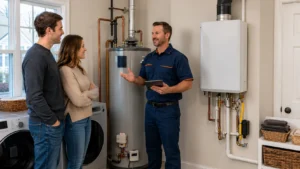
Protecting your family starts with a professional heating system inspection. M&S Technician provides comprehensive safety inspections for homeowners throughout Woodland Park and Morris County. We’ll check for carbon monoxide risks, test safety systems, and ensure your equipment is operating safely. Call (908) 528-0535 to schedule your winter safety inspection.
Essential Furnace and Boiler Safety Practices
Your heating system needs attention before problems develop. Waiting until something goes wrong puts your family at risk and often results in expensive emergency repairs during the coldest weather.
Start by changing or cleaning your furnace filter monthly during heating season. A clogged filter forces your system to work harder, reduces efficiency, and can cause overheating that leads to cracks in the heat exchanger. This simple five-minute task dramatically improves both safety and performance.
Keep the area around your heating equipment clear. Many homeowners use the space near their furnace or boiler for storage, but this creates serious fire hazards. Flammable materials like paint, cleaning supplies, paper products, and gasoline should never be stored within six feet of your heating system. Proper clearance also ensures adequate airflow and allows easy access for maintenance and emergency repairs.
Never block or close heating vents and returns throughout your home. Closed vents create pressure imbalances that stress your system and can cause dangerous backdrafting, where combustion gases flow into your home instead of safely venting outside. Even closing vents in unused rooms, a common money-saving misconception, actually reduces efficiency and increases safety risks.
Pay attention to your system’s exhaust vent on the outside of your home. Snow, ice, leaves, or bird nests can block these vents, preventing dangerous combustion gases from escaping. After heavy snowfall or storms, take a moment to check that exhaust vents are clear and unobstructed.
Space Heater Safety Guidelines
When your primary heating system can’t keep up with New Jersey’s bitter cold, or you want extra warmth in a specific room, space heaters seem like an easy solution. But these portable devices cause thousands of fires every year and require careful use.
Choose the right space heater for your needs. Modern units with automatic shut-off features, tip-over protection, and overheat sensors are worth the investment. Avoid older models without these safety features, and never use space heaters designed for outdoor or garage use inside your home.
The three-foot rule is non-negotiable. Keep space heaters at least three feet away from anything that can burn, including furniture, curtains, bedding, papers, and clothing. Never place them in high-traffic areas where people or pets might knock them over, and never leave them running when you leave the room or go to sleep.
Plug space heaters directly into wall outlets, never into extension cords or power strips. Space heaters draw significant power that can overload extension cords, causing them to overheat and start fires. If your space heater’s cord feels warm to the touch, unplug it immediately and have an electrician check your outlet.
Consider this: if you’re relying heavily on space heaters because your primary heating system isn’t keeping your home comfortable, you’re addressing the symptom rather than the problem. Inefficient or failing heating systems cost more to operate and create safety risks. Professional furnace repair in Woodland Park from M&S Technician can restore your system’s performance, eliminate the need for dangerous space heaters, and actually reduce your energy costs.
Protecting Your Heating System from Winter Weather
New Jersey winters bring challenges that can compromise your heating system’s safety and performance. Ice, snow, and extreme temperature fluctuations require specific precautions.
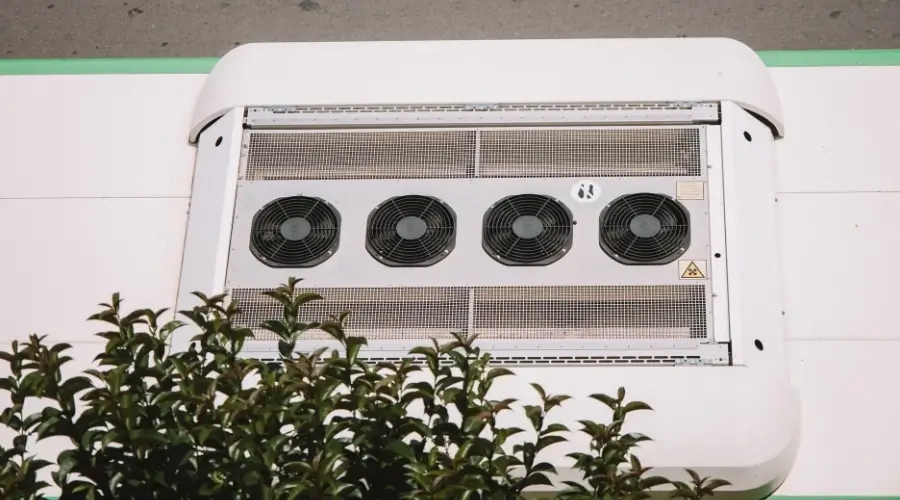
Check your outdoor HVAC components regularly. If you have a heat pump, keep the outdoor unit clear of snow, ice, and debris. A buried or blocked unit can’t operate efficiently and may suffer damage when it tries to run. Gently remove snow buildup, but never use sharp tools that might damage the fins or coils.
Your home’s ventilation systems need winter attention too. Intake and exhaust vents can become blocked by snow drifts or ice formations. This is particularly critical for high-efficiency furnaces and boilers that use PVC pipe venting. Blocked vents force dangerous combustion gases back into your home.
Insulate exposed pipes connected to your heating system. Frozen pipes connected to your boiler can cause system failures, and burst pipes create water damage that compounds your heating emergency. Even in finished basements, pipes along exterior walls need protection during extreme cold snaps.
Power outages during winter storms present another safety concern. If your power goes out, turn off your heating system at the thermostat and circuit breaker. When power returns, this prevents potential damage from power surges and allows your system to restart properly. If you have a backup generator, make sure it’s installed by a professional and never run it inside your garage or home due to carbon monoxide risks.
When to Call a Professional for Safety Concerns
Some HVAC safety issues require immediate professional attention. Learning to recognize these warning signs can prevent dangerous situations from escalating.
Strange smells indicate potential problems. A sulfur or rotten egg odor suggests a natural gas leak and requires immediate evacuation and a call to your gas company. Burning smells when your system first starts up each season are normal as dust burns off, but persistent burning odors signal overheating components that need professional inspection.
Unusual sounds tell you something isn’t right. Banging, screeching, or rattling noises indicate mechanical problems that will worsen without repair. A rumbling sound after your furnace shuts off could signal delayed ignition, a potentially dangerous condition where gas builds up before igniting.
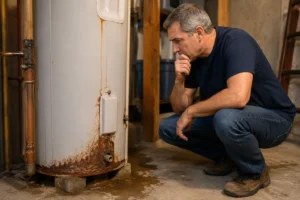
Visible signs of trouble include rust or corrosion on your heating equipment, water pooling around your boiler or furnace, or soot buildup around your system. These problems won’t resolve themselves and typically worsen rapidly once they start.
Trust your instincts. If something feels wrong with your heating system, it probably is. The cost of a professional inspection is minimal compared to the potential consequences of ignoring safety concerns.
For commercial property owners in Bergen County and Morris County, heating safety becomes even more critical. You’re responsible not just for your own safety but for employees, customers, and tenants. Regular professional maintenance isn’t optional; it’s essential risk management that protects people and your business investment.
Creating Your Winter HVAC Safety Checklist
Taking a systematic approach to heating safety removes the guesswork and ensures nothing gets overlooked. Here’s your comprehensive action plan for winter heating safety.
Before heating season begins, schedule professional maintenance. A qualified technician will inspect all safety systems, test for carbon monoxide production, check electrical connections, clean critical components, and verify proper combustion and venting. This single service call addresses potential problems before they become dangerous emergencies.
Monthly during winter, change or clean your furnace filter, test your carbon monoxide detectors, visually inspect your heating equipment for signs of problems, and check that vents and returns throughout your home remain open and unobstructed.
After significant weather events, clear snow and ice from outdoor HVAC equipment and exhaust vents, check that basement windows haven’t been blocked by snow drifts, and verify proper drainage around your home’s foundation to prevent water infiltration near your heating equipment.
Keep records of all maintenance, repairs, and inspections. This documentation helps technicians identify patterns, assists with warranty claims, and provides valuable information if you ever need to file an insurance claim.
The Real Cost of Neglecting HVAC Safety
Postponing heating system maintenance feels like saving money until you consider what’s actually at stake. Beyond the obvious safety risks, neglected systems fail at the worst possible times, require expensive emergency repairs, operate inefficiently and waste energy, and face shortened lifespans that force premature replacement.
Insurance companies increasingly scrutinize heating-related claims. If a fire or carbon monoxide incident occurs and investigators determine it resulted from inadequate maintenance, your claim might be denied. The relatively small cost of annual professional service protects an investment worth thousands of dollars.
But the most important cost is the one you can’t calculate: your family’s safety. No amount of money is worth risking your loved ones’ health and wellbeing. Professional heating system maintenance isn’t an expense; it’s essential protection.
M&S Technician provides comprehensive heating system safety inspections and maintenance for homeowners and commercial properties throughout Woodland Park, Bergen County, and Morris County. Our experienced technicians identify potential safety hazards, perform necessary repairs, and ensure your system operates safely and efficiently all winter long. We also offer commercial HVAC installation for businesses upgrading to safer, more efficient systems.
Your Family’s Safety Starts with One Phone Call
Winter in New Jersey is challenging enough without worrying whether your heating system is safe. You have the power to protect your family by taking heating safety seriously and partnering with qualified professionals who prioritize your wellbeing.
Don’t wait for warning signs or hope everything will work out fine. Proactive maintenance and safety inspections catch problems before they become emergencies. Whether you need a comprehensive safety inspection, routine maintenance, or you’ve noticed something concerning about your system’s operation, professional help is just a phone call away.
M&S Technician has served the local community for years with honest, reliable heating services. We treat every home like it’s our own family living there. Our technicians are trained to identify safety concerns, explain issues in plain language, and provide solutions that fit your budget.
Protect your family this winter. Call M&S Technician at (908) 528-0535 or visit mstechnicians.com to schedule your heating safety inspection today. We’re available 24/7 for emergencies, and we’re here to ensure your home stays warm and safe all season long.